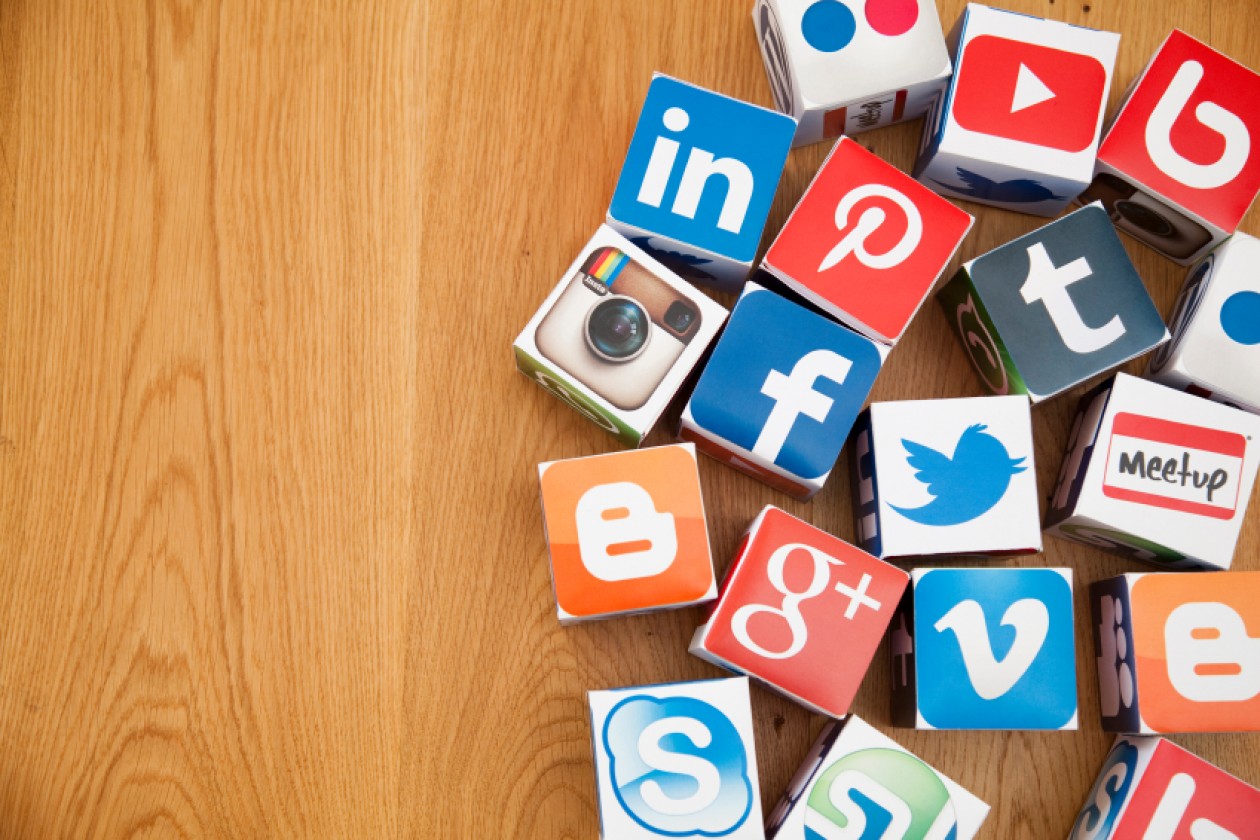
Understanding Social Media
Social media is a collection of online platforms designed for sharing content, exchanging ideas, and connecting with people across the world. It has transformed how individuals communicate, learn, and engage with information. From personal updates to business promotions, social media functions as a dynamic space where data flows instantly between users.
How Social Media Platforms Operate
1. User Interaction
Users create profiles, upload content, and interact through:
- Likes and reactions
- Comments
- Direct messages
- Live streams
These interactions help shape a user’s digital footprint and online presence.
2. Content Algorithms
Platforms rely on algorithms to tailor content based on user behavior. These systems analyze:
- Previous engagements
- Search patterns
- Followed accounts
- Time spent on posts
This ensures that users view the most relevant content, increasing overall engagement.
3. Connectivity and Communication Tools
Social networks allow:
- Instant messaging
- Voice and video calls
- Group chats
- Community forums
These features encourage real-time communication around personal, professional, and social topics.
Major Types of Social Media Platforms
Networking Sites
Platforms like Facebook, LinkedIn, and X connect individuals, allowing personal and professional networking.
Media Sharing Platforms
Instagram, TikTok, and YouTube let people share visual content, from short clips to long-form videos.
Microblogging Platforms
These allow users to post short, concise updates. X and Tumblr are popular examples.
Messaging Apps
WhatsApp, Messenger, and Telegram specialize in private communication and group conversations.
Forum-Based Platforms
Reddit and Quora serve as knowledge-sharing hubs where users discuss topics in depth.
Why Social Media Matters Today
Enhanced Communication
Social media offers instant access to global conversations, bridging distance and cultural differences.
Business Growth and Marketing
Brands use social media for:
- Customer engagement
- Advertising
- Influencer collaborations
- Market research
These strategies increase visibility and build stronger customer relationships.
Educational Value
Learners gain access to tutorials, webinars, expert content, and global discussions that expand their knowledge.
Entertainment and Creativity
Short videos, memes, music, and creator-driven content provide endless entertainment.
Community and Support Networks
Social platforms help people build communities, share experiences, and support social causes.
Benefits of Social Media
- Fast information sharing
- Access to diverse perspectives
- Cost-effective outreach for businesses
- Opportunities for digital careers
- Remote collaboration and networking
Challenges Associated With Social Media
Privacy Risks
Personal details may be exposed if users are not careful with settings and permissions.
Misinformation
False information spreads quickly, making it important to verify facts before sharing.
Cyberbullying
Negative behavior online can harm mental well-being, especially among young users.
Addiction
Prolonged use may reduce productivity and affect emotional balance.
Algorithmic Influence
Content algorithms may create echo chambers, limiting exposure to diverse viewpoints.
The Future of Social Media
Social platforms are continuously evolving, with future developments likely to include:
- Greater use of AI for content creation and moderation
- More immersive experiences through AR and VR
- Stronger privacy protections and user control
- Decentralized networks and blockchain integration
- Enhanced tools for creators and small businesses
These advancements may lead to more personalized, secure, and interactive social environments.
FAQs
1. How is social media different from traditional media?
Traditional media is one-way communication, while social media allows active participation and user-generated content.
2. Can social media benefit small businesses?
Yes, it offers affordable marketing, customer engagement, and brand-building opportunities.
3. How can users stay safe on social platforms?
Using strong passwords, enabling two-factor authentication, and limiting personal details can improve safety.
4. Why do some people become addicted to social media?
Instant feedback through likes and comments can trigger repetitive usage and emotional dependency.
5. What age is appropriate for children to start using social media?
It varies by platform, but many recommend 13+ with proper parental guidance.
6. Is social media a reliable source of news?
It can be, but users must verify information from credible sources to avoid misinformation.
7. Why do businesses use influencers?
Influencers help brands reach targeted audiences through authentic content and trusted recommendations.